




Cannabis farmers are looking forward to the final process of growing their plants – the flowering stage. If you are still discovering how to produce the best qualities of marijuana, this guide is what you are looking for. In this page, you will learn how to take good care of your plants and obtain an abundant yield in each plant.
Flowering stage is quite different from the vegging phase in terms of growing period, care, and nutrition. Once the plant switches from vegetation period to the flowering phase, expect a slow growth among the plants. This is where you see the development of buds in preparation for producing flowers. It is a sign that you should start treating them differently. It is all about being more oriented in proper nutrition and light schedule changes.
Best Time To Harvest Your Cannabis Plants
As the third week of September approaches, cannabis growers are closely inspecting the crops for harvest. As a marijuana farmer, you cannot harvest the plants too late or too early. Doing so can affect the smell and taste of the finished product. Moreover, you must also consider the psychoactive effects and THC levels of the plants before the harvest time.
For your guidance, you can refer to the details provided below. These are considered as the tools used in distinguishing the perfect time to reap the fruit of your labor.
- Flowering Time – Take note that the guidelines for flowering time serve as harvesting guidelines as well. However, you should also know that these are not accurate all the time. You usually obtain guidelines for Sativa, Indica and even hybrid strains. Those guidelines for individual guidelines are more accurate.
Indica dominant strains usually take 7 to 9 weeks. Sativa-dominant marijuana strains may require 10 to 12 weeks of waiting before harvesting. Lastly, hybrid-dominant strains take between 7 and 10 weeks before it becomes fully grown.
Furthermore, those timelines that come in weeks are often regarded as an ideal match for light-dep and indoor growing conditions. On the other hand, time-of-year estimates become more accurate when it comes to full-sun cannabis growers.
- Hairs/Pistils – The hairs or pistils can be found among female marijuana plants. These are a location on the plant sex organs. Pistils come in white colors which appear during the flowering cycle. As the female cannabis nearly ends its cycle, it gradually turns red or brown.
For most strains, you can determine that the plants are in their highest THC levels when their pistils turn 60 to 70 percent red or brown. Checking the pistil condition can help you estimate when to harvest the crop. Here’s a quick guide to check on the pistils of the plants:
- Mostly white pistils: too early for harvest;
- Less than 50% red or brown; early and not yet ripe;
- More than 60% red or brown: an ideal time to harvest and has a very high THC level; and
- 90% red or brown: over ripe, completely ready for harvest yet loses flavor or potency.
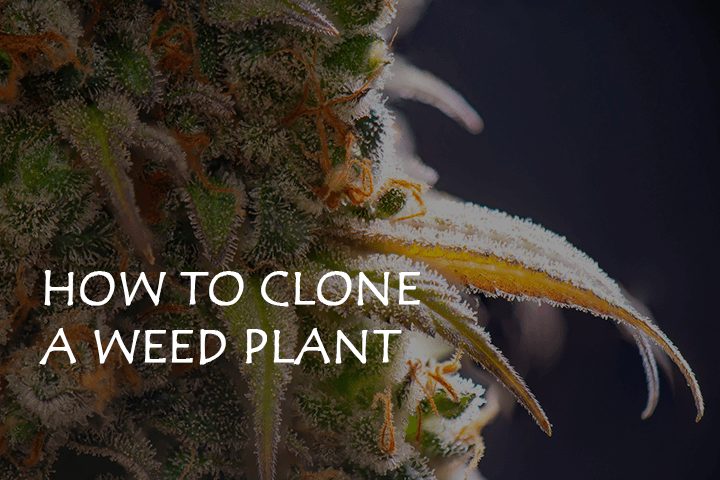
- Trichomes – The life cycle of the trichomes resembles the type of marijuana plant where it exists. As the cannabis ripens and matures, you will notice a change of color in the trichome’s head from clear or transparent to fully amber. Once your plant approached the harvest date, the pistils turn mostly brown.
Checking the trichomes of your plants using a handheld microscope can give you a rough estimate of when they are at the optimum ripeness. You will also see that the trichome head develops clear liquid in it. Over time, this liquid changes into amber and become milky white.
- Clear Trichomes: The plant is not yet ripe.
- Most parts are white trichomes: Perfect time for harvest.
- Amber Trichomes: Overripe and THC content reduces.
Marijuana Plants Flowering Stages
After the vegetative stage, here comes the cannabis flowering stage. This is the last stage in the growing cycle of your crops. For the marijuana growers, this is the most exciting part. It takes only patience of growing and a few months of waiting to get the best results.
Unfortunately, the flowering stage is less forgiving, unlike the vegetative stage. If you want to obtain maximum yield and outstanding quality of the plants, there is no room for mistakes. At this point, you should realize the significance of your personal knowledge. This way, you can save time and energy by doing the right things.
- Entering the Flowering Stage
In some cases, your plants may not encounter entering a flowering period unless you grow autoflowering varieties of strains. However, you can also switch the light cycle into equal darkness and light cycle (or 12/12).
For some growers, they even go beyond keeping the plants in darkness. As soon as the plants realize that it is already winter seasons, they enter the flowering period.
On the other hand, outdoor growing means that this process starts automatically. However, the plants should not be exposed to an extreme environment. For instance, if you start planting the cannabis seed in early weeks of spring, it will continue through summer. Hence, you can expect its flowering stage in the fall. But again, it always depends on the variety of strain.
Take note that the flowering stage of outdoor and indoor cannabis plants is triggered once they are deprived of light.
- Knowing the Sex of the Plant Organs
In changing your plant’s light schedule, it is crucial to assure that there is no light entering the tent or room if you intend to grow indoors. A slight disruption leads to messing up the plant development. Thus, it can cause hermaphroditism or worse, no buds at all!
In the first weeks of cannabis flowering period, the plants usually grow vigorously and double in size quickly. If you did not train your plants, see to it that you get overhead to prevent the canopy from touching your grow lights. In addition, this is the best time to identify the sex of the marijuana plants.
In fact, it is so easy to know the difference between a female and a male organ among plants. Male cannabis plants do not grow bud. In fact, their pollen sacks will make the whole crop burst to pollinate female plants.
For female cannabis, you will notice the growth of pistils. The male counterparts grow some pollen sacks. So, you need to get rid of these plants as soon as possible. Pistils can be described as the elongated hair-like and tiny leaves. Pollen sacks are like balls. Your plants can grow both, a condition which is called hermaphroditism. If this happens, remove such plant immediately.
Check out the additional information provided below for more details on the flowering phase timeline of your cannabis plants.
- Weeks 1 to 3 (The Stretch Phase)
As mentioned earlier, the first stage is the early flowering or “stretch phase” of a plant. It is the time you should be read since other plants have a tendency to grow extremely tall. Otherwise, you need to begin with training your cannabis plants. You can count on LST methods to prevent hurting the plants in this delicate phase.
- Weeks 4 to 8
The week three of marijuana flowering stage gives you some signs like slow growth and production of small buds. In this process, the main focus of the plant is to gain energy to develop buds. Thus, do not worry if you notice discoloration and loss of leaves rapidly. You should be able to diagnose deficiencies and find the best remedy for it.
As a cannabis grower, you should know that too many nutrients burn your cannabis plants. It characterizes the production of yellowish, wilting and falling leaves. You can opt for organic solutions if possible.
As the stage approaches weeks 7 to 8, the buds turn ripe and fat. This is also the part where you measure the temperature of the grow room and pH level to prevent bud problems like foxtailing. Foxtailing refers to the condition when the buds grow out on the other side of an older bud. Avoid touching or training your plant in this case unless it is close enough to grow lights. All you need to do is to tie it down gently.
- Late Flowering Stage
In this stage, your plants are beyond eight weeks and you are certainly one step away from harvest period. You will begin seeing the buds overpowering the cannabis stench and covering the kolas. Now, it is your responsibility to make sure that everything comes according to plan until the harvest season. Be very cautious of major discoloration or any deficiencies.
Some Tips To Ponder on Flowering Stage for Cannabis
After acquiring basic to advanced information on cannabis flowering stage, it is time to learn about some tips from professional growers.
- Cut dead branches and leaves only. In the first place, you might be tempted to cut out bigger branches and leaves. However, you should not forget that your cannabis plants need much health and power at the moment. You can bend your plants. Then, tie each of them down to develop a horizontal shape.
- Leave the newly developed flowers. Do not taste them.
- Maintain humidity at 70 percent. If you switch to a flowering light cycle, make sure you will not go back. Avoid exposing your cannabis plants to light particularly during the dark phase. This common error in flowering stage of marijuana growing has a great impact on the yield. If possible, grab a timer. This way, you will not forget when to turn the lights off or on.
- Uninterrupted darkness is a secret to a successful flowering stage of plants. The darkness should be definite and not even a minute of light touching your plants at night.
- Utilize a carbon-filtered air ventilation system. In some circumstances, plants develop a marijuana scent immediately. This implies that you need to provide the plant with an airflow system (carbon-filtered). This system is highly essential in maintaining and generating fresh air inside the grow room. This is the phase when Carbon Dioxide becomes a crucial element for the overall health and growth of the marijuana plants.
- During the weeks four to six, the flowers seek more supplies of potassium and phosphorus. These are both vital for perfect bud development. They support the fruiting and flowering phases of the plants.
- Do not overfeed the plants with nutrients. If so, the tip of your plant leaves will look like burned and dried.
- Manage and support heavy buds for consistent light exposure. Consider holding the buds up close to the light if these are very heavy for the plant.
- Some expert growers usually trim the leaves (defoliation). They do this to help their plants stay focused on producing buds. Make sure there is a sufficient amount of healthy leaves in the plants. Leaves serve as fuel to the plant system and bud development.
- Your plants may love strong grow lights. However, you cannot get them spoiled by exposing them to high heat and light. If you are growing in a tent, the lights should be high enough (12 to 36 inches above the plant canopy). If you are using a higher wattage lamp such as 1000 Watts, you should place it at the top end portion. Meanwhile, a lower wattage lamp (around 250 Watts) must be at the lower end portion.
- Watch your plants closely. As other pros say, “treat your plants like a lady”. Provide everything they need in order to bloom flowers abundantly. In some instances, your cannabis plants might turn yellowish. Do not get bothered if it happens as it is sometimes a part of the process. At week 8 to 10, your cannabis should be ready to harvest.
Perhaps, you have a lot of questions in mind about this cannabis flowering stage guideline. You must read and understand all the details provided in this article first. Then, you can ask some questions to experienced growers regarding more specific topics. Always research first before trying to grow strains with different varieties.